Beaks and nails grow continuously, and in a well-equipped cage they wear at roughly the rate they grow. When they do not, the usual cause is a cage that gives the bird nothing to work against — a single smooth dowel and a bowl of seed will produce overgrowth in almost any species.
Grooming is the fallback. Equipment is the fix.
How a beak keeps itself in shape
Beaks wear through use: chewing wood, grinding on cuttlebone or mineral block, and the bird’s own beak-wiping and grinding behaviour. Provide those and the beak generally looks after itself.
What to have in the cage:
- A cuttlebone, clipped where the bird actually sits rather than in a far corner.
- Hard wood to chew — see our chew and shredding toys.
- Textured surfaces at perch height, which get incidental beak use during climbing.
Birds use cuttlebone in bursts. A month of no interest followed by a week of heavy use is normal.
Nails and perch variety
Nails wear against the surfaces a bird stands on. Uniform smooth dowel wears nothing, so nails lengthen until they curl and catch.
Varied diameters and textures spread the contact points, which keeps nails in shape and, just as importantly, keeps feet healthy. A range of natural wood perches does more for nails than any single grooming perch.
Abrasive perches have a role — one, positioned where the bird lands rather than where it sleeps, alongside softer options. As the only perch, an abrasive surface causes pressure sores.
What overgrowth looks like
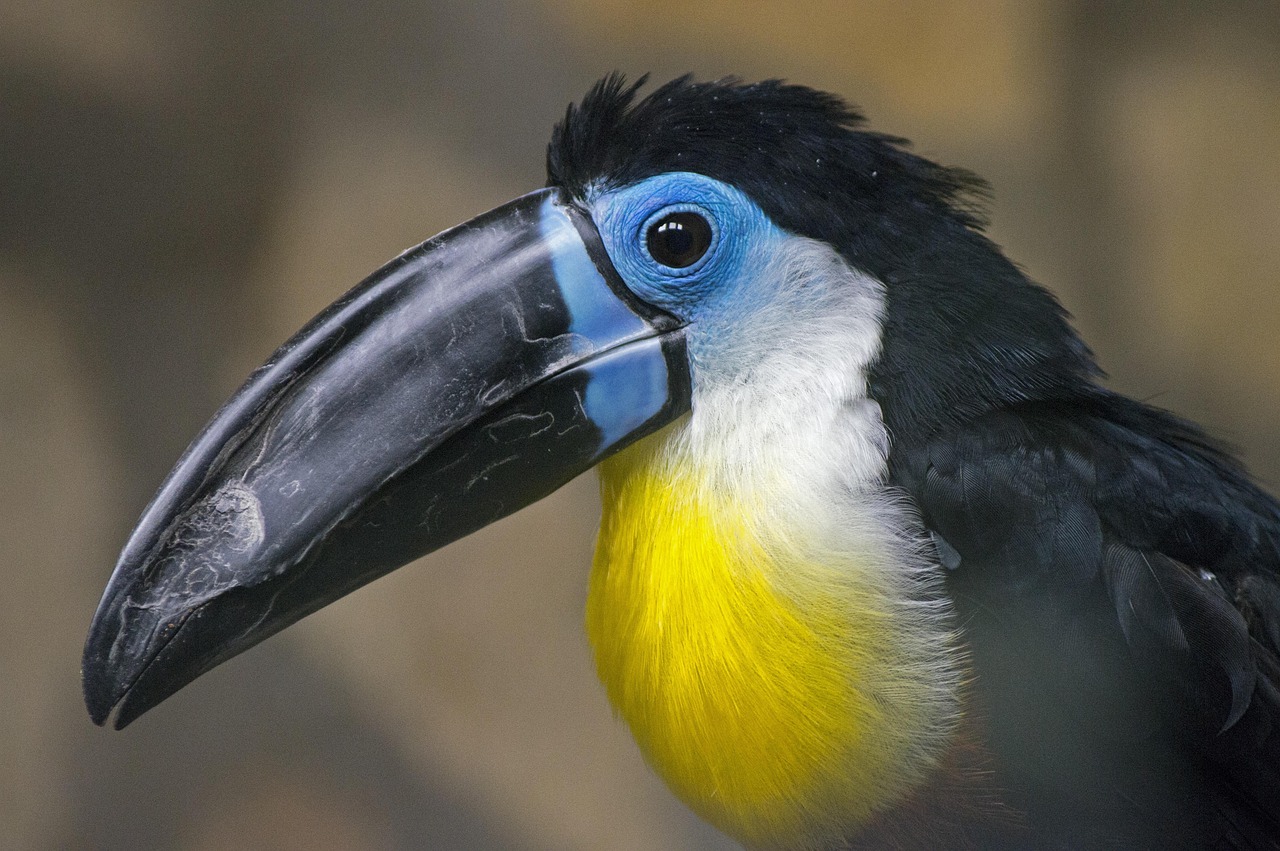
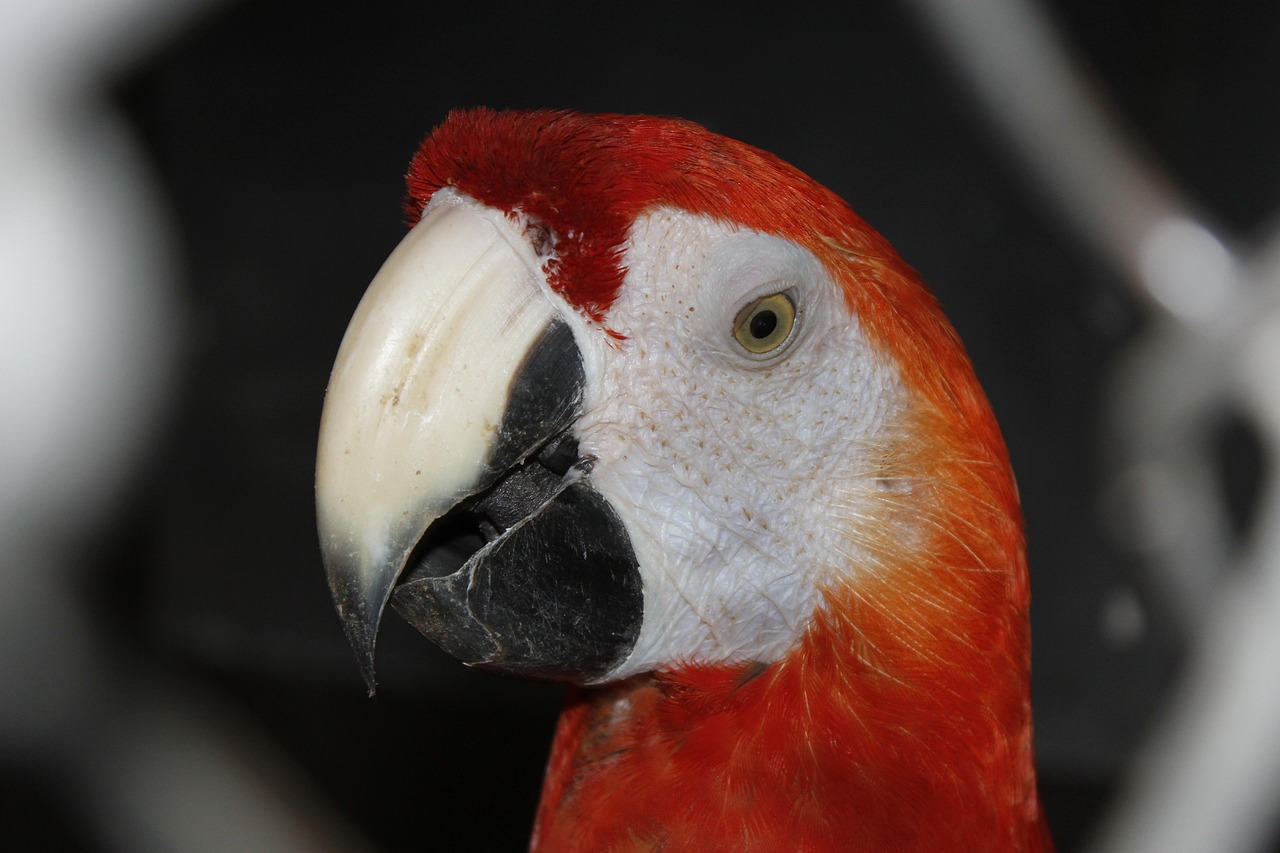
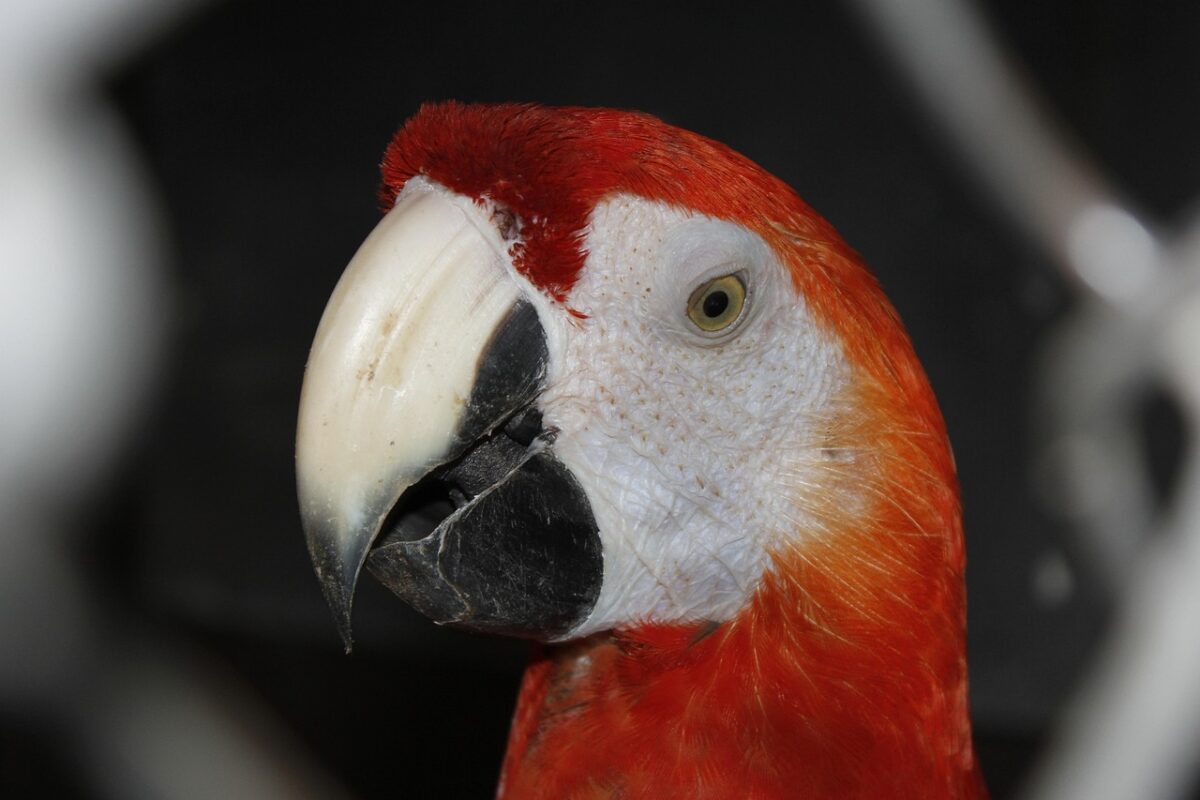
Beak: the upper mandible extending well past normal and curving over the lower; flaking or layering on the surface; the bird struggling to crack or manipulate food; a visible change in shape over weeks.
Nails: curling past a semicircle; catching on fabric or cage furnishings; the bird unable to stand flat on a wide perch; a change in how it grips.
When it is not a wear problem
This is the important part. A beak that overgrows despite plenty of chewing material, or that changes shape, colour or texture, is a medical sign and not a maintenance one. Liver disease, scaly-face mites, malnutrition and trauma all present as beak abnormalities.
Rapid overgrowth, flaking, discolouration, bleeding or asymmetry all warrant an avian veterinary appointment rather than a trim. Trimming the symptom leaves the cause running.
Why we do not recommend trimming at home
Both beak and nails carry a blood supply — the quick — and it extends further than people expect, particularly in dark nails. Cutting into it bleeds heavily, and a bird’s total blood volume is small.
Beak trimming in particular is a veterinary procedure. It requires a rotary tool, restraint that does not compromise breathing, and knowledge of where the tissue ends. Nail clipping at home is possible with an experienced second pair of hands and styptic powder within reach, but if you are hesitating, that hesitation is good judgement.
Diet’s part in it
A seed-only diet is associated with poor beak and feather condition, largely through vitamin A deficiency. A balanced diet — appropriate pellets, fresh vegetables, limited seed as treats — supports keratin quality throughout.
Calcium matters too, and cuttlebone helps, but calcium absorption depends on vitamin D3, which for indoor birds usually means a dietary source or appropriate lighting. That is a conversation worth having with an avian vet rather than solving by supplement guesswork.
A cage that keeps grooming rare
- Three or more perches of different diameters, mostly natural wood.
- One textured or abrasive perch, positioned at a landing point.
- Cuttlebone within easy reach of a favourite perch.
- Hard chew items available continuously, rotated for interest.
- A varied diet rather than seed alone.
Set that up and most birds never need a trim.
Checking without stress
You do not need to restrain a bird to check. Watch it step up and look at the feet; look at the beak while it eats. A fortnightly glance catches changes early, which is when they are easiest to address.
Our perches, chew toys and mixed sets all list the bird sizes they suit. Ask us if you would like a suggestion for a specific bird, see the FAQ, or browse the range.
From our shelves
Products in this store that relate to what is covered above:
Prices are in US dollars. Delivery timings are on our shipping policy page and the return and refund policy sets out the window if something is not right.
Key points
- Overgrown beaks and nails are usually an equipment problem: a smooth dowel and a seed bowl give nothing to wear against.
- Keep cuttlebone within reach of a favourite perch, plus hard wood to chew and textured surfaces at perch height.
- Varied perch diameters do more for nail length than any single grooming perch, and they protect the feet at the same time.
- Overgrowth that continues despite plenty of chewing material — or any change in beak shape, colour or texture — is a medical sign, not a maintenance one.
- Do not trim beaks at home. Both beak and nails carry a blood supply that extends further than expected, and a bird has very little blood to lose.
- A seed-only diet is associated with poor beak and feather quality; a balanced diet supports keratin throughout.
Related reading